
Water is a hot topic in the Middle East, particularly the more inland you go. Jordan has a massive water scarcity problem[1], and with more refugees coming from Syria every day, the problem has gotten substantially worse. However, this article is less about the geopolitical issues which surround the problem is water scarcity but rather how it affects ordinary life in Amman and especially in the Zaatari refugee camp, home to over 80,000 Syrian refugees.
Amman
In Amman, life is prosperous to a certain degree. A city that started out as a small trading town is now the largest city in Jordan with a population of over 4 million. Massive uncontrolled growth in the last century has resulted in an enormous increase in water needs, which is straining the water supply of Jordan as a whole.
For starters, the tap water is considered unsafe for drinking, so there is an expansive system of bottled water, much like other arid countries in the Middle East and North Africa. Running water is basically universal, though it appears that most houses have water storage tanks on the roof, possibly vestiges of water cut-offs like in Syria and neighboring countries.
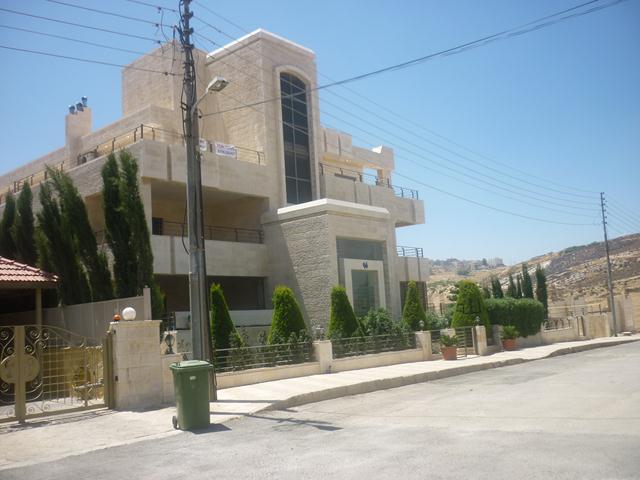
In Amman, the most reliable indicator for a wealthy neighborhood is greenery outside, no doubt because of how expensive it is to water it. Neighborhoods like Abdoun and Sweifieh are full of landscaping and gardens, a testimony to their affluence. In general, bottled water is reasonably priced from my perspective (American visitor), generally 35 fils ($0.50) for a 2L of water, but may not be so affordable for a Jordanian citizen.
Zaatari Refugee Camp
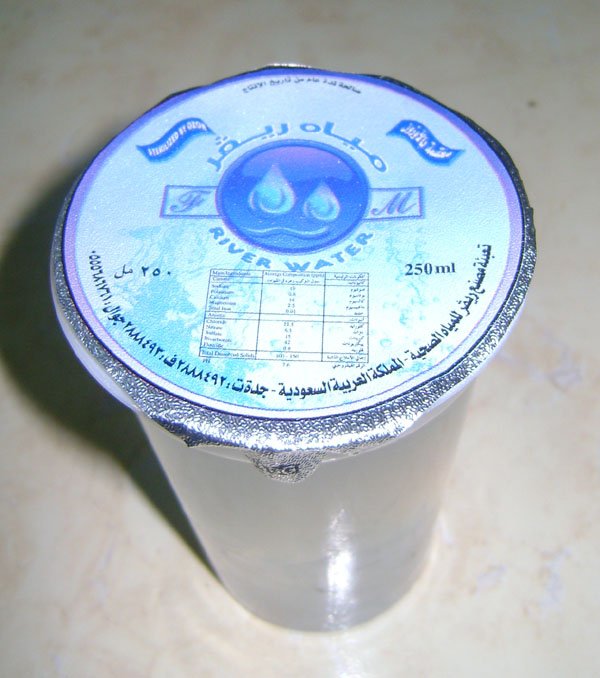
In the Zaatari refugee camp, water needs are far more dire. From the first day I got on the camp, I was a little taken aback when everyone at the clinic, from the doctors to the nurses was drinking water out of little single-use foil-wrapped water containers. More surprising was when almost all patients would ask to drink from our water during the visit. A little odd, but not too surprising given the intense heat outside and the long walk to get here.
In time, I learned that the water being provided to everyday people here in the Zaatari camp was simply not suited for everyday use, let alone drinking. I've heard it be described as anywhere from mildly dirty to mud water. I haven't dared drinking it after looking at it for a few moments and knowing where it comes from. With this in mind, all the cases of gastroenteritis make perfect sense - you're going to have repeated GI infections with a dirty water source.
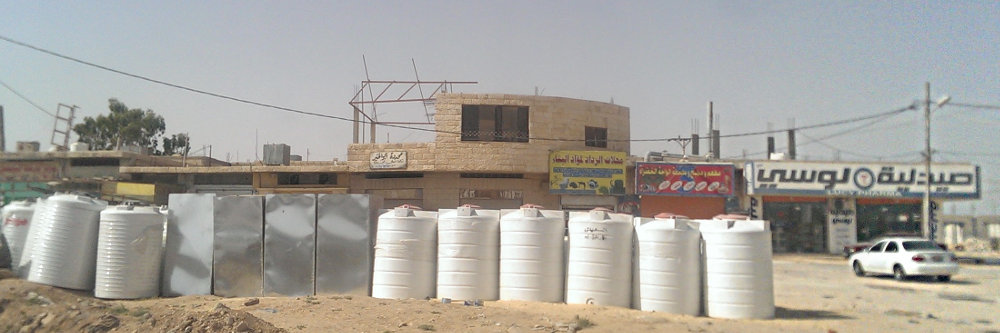
The water comes every few days by truck to fill up all the water tanks lining the street. Of course, nobody can vouch for the cleanliness of the truck or the tank, but with a captive population there is not much they can do. The judicial system afforded to the refugees is a joke at best, so for now the refugees have forced themselves to live with it; there is no life without water.
The camp started out with only one or two water tanks for each neighborhood, but that was not nearly sufficient. Now, every house has one or two water tanks explains Abu Mi'taz, a local living across the street from the hospital. Absurdly, purchasing water tanks is illegal inside the camp, so most are bought just outside the camp and smuggled in.
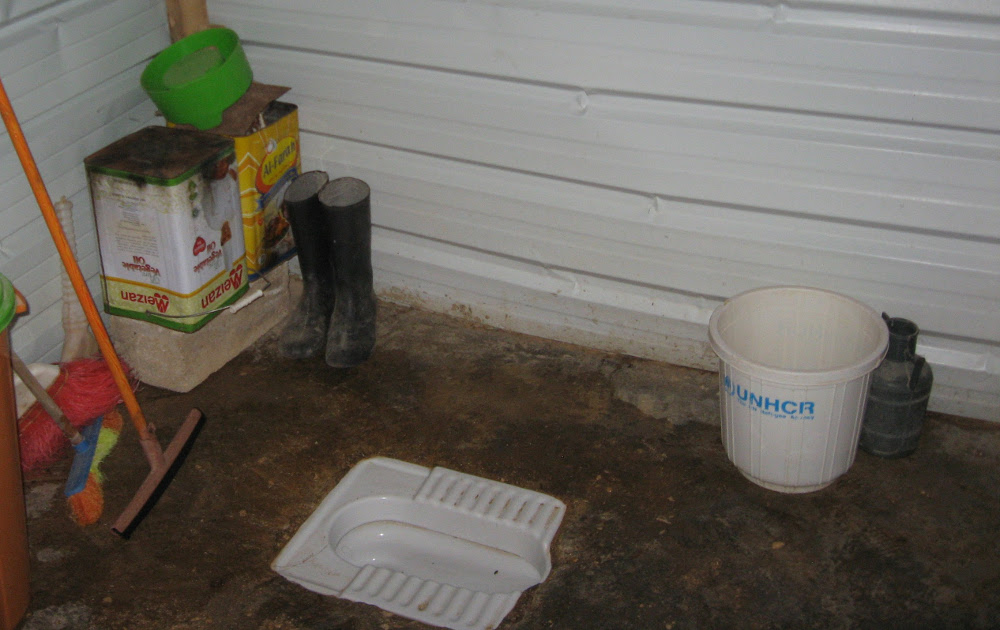
When the camp was first constructed, the camp had public restrooms every block or so, shared between roughly 100 people. As the camp has become more permanent, people started building Arabic-style toilets in their homes due to the inconvenience of public bathrooms and the complete lack of sanitation[2]. Now, nearly everyone has their own restroom, and the public restrooms are permanently closed. Sewage is still however a serious problem, since only those that can afford it are able to build makeshift bathrooms in their homes.
The foreign doctors have embarrassed themselves more than a handful of times by suggesting that the patient start drinking bottled water while they have GI - bottled water is too expensive for anyone living in the camp! Even temporarily, people simply can't afford to buy bottled water; after all, they are living on 20 JD / mo. Even the Syrian doctors living outside the camp make the mistake occasionally.
Moving Forward
With a similar but far less dire drought occurring in California, it's becoming increasingly imperative for us to worry about global water needs. At the same time, living near the Great Lakes, it's hard to imagine what life is like without plentiful water and rivers, lakes, and forests all around. During my 3 week trip, I never risked drinking tap water, let alone the muddy water in the camp. I simply cannot imagine how one can drink from this water on a daily basis for years. Even more absurd is why better filtration has not been brought into the camp when filters are so cheap and readily available these days.
The Zaatari refugee camp is suffering from a water shortage and water quality, and is simply not sustainable. Furthermore, the refugees really have no monetary or legal means to do anything about their present situation. As an international community, we need to move to get the Syrian refugees the most basic of necessities: water.
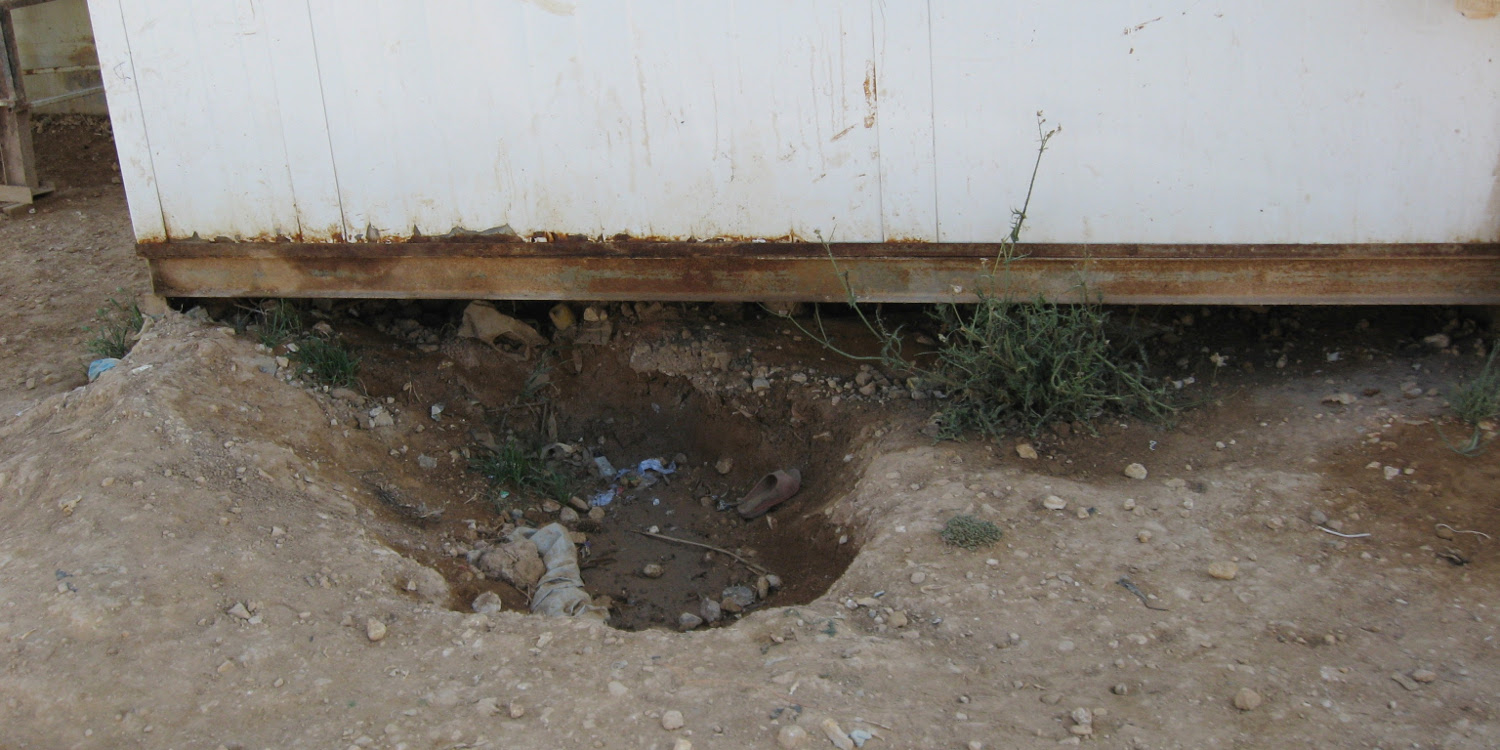
Abu Mi'taz reports that the Japan Emergency NGO which was tasked with public bathroom sanitation did an extremely poor job, which caused the push for private toilets. ↩︎