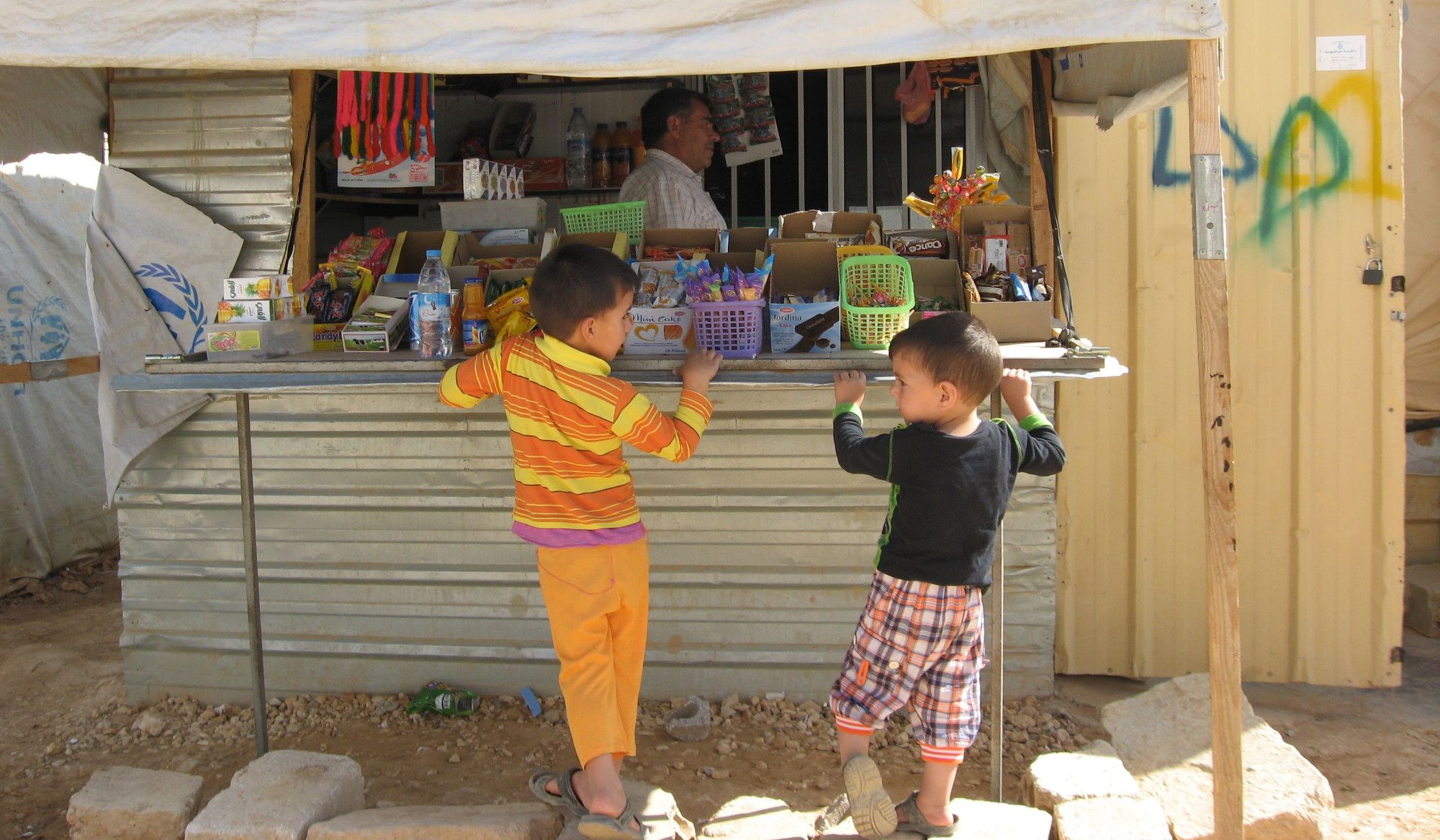
So far, I've been at the Zaatari refugee camp for 3 weeks, and yet I've never gone more than 100 feet away from the medical center, and have spent >95% of my time inside. Well, no longer. Today, I had a tour of the camp, and all I can do is weep.
The past few weeks, we've been parking outside a man's home, and over time we've gotten to know him. Abu Mi'taz is an older gentleman who's one of the of the first refugees at the camp, and has been extremely courteous and friendly our entire visit. Today, he invited us to get a tour of the camp to see what it's like, so I agreed to do it after noon. As the call to prayer sounded, I met with him right outside the medical center, and took 10 paces to reach his home, right behind the car. It consists of three 2 by 2 meter caravans and his home to his children and grandchildren, so about 28 people in this tight space that couldn't have amounted to larger than my dorm.
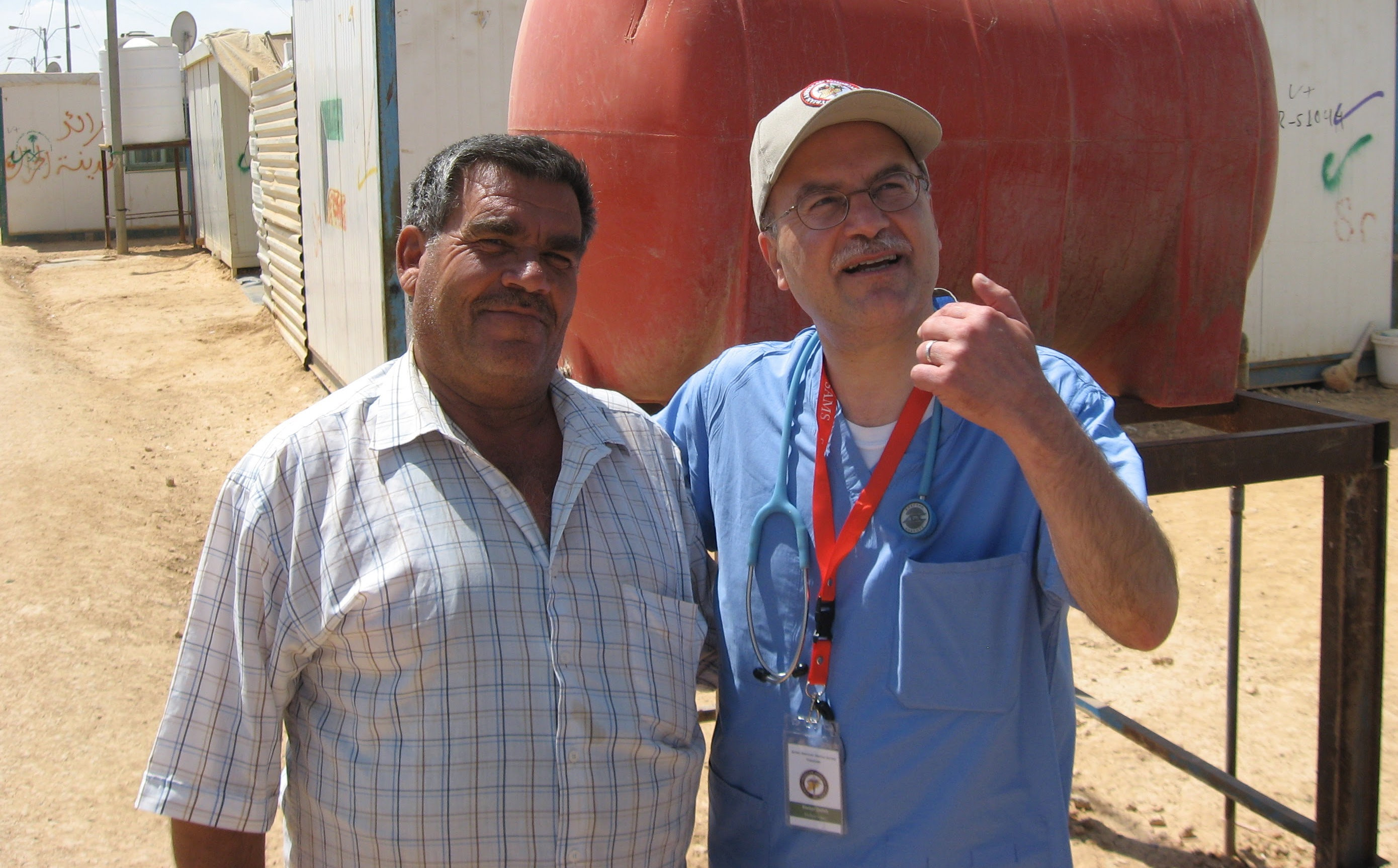
We enter his home, and I remove my shoes out of courtesy. The floor appears to be cement, unlike the rocky terrain everywhere else; it turns out, he had paved it himself. We start with the first room, and there are some large bags of bread and tiny loaves of bread - almost like samples. He explained that the small loaves of bread are the ones they get for free from the camp, but are woefully inadequate. Like most residents of the camp, he says, he smuggles the rest of the bread from outside the camp "from a real bakery".
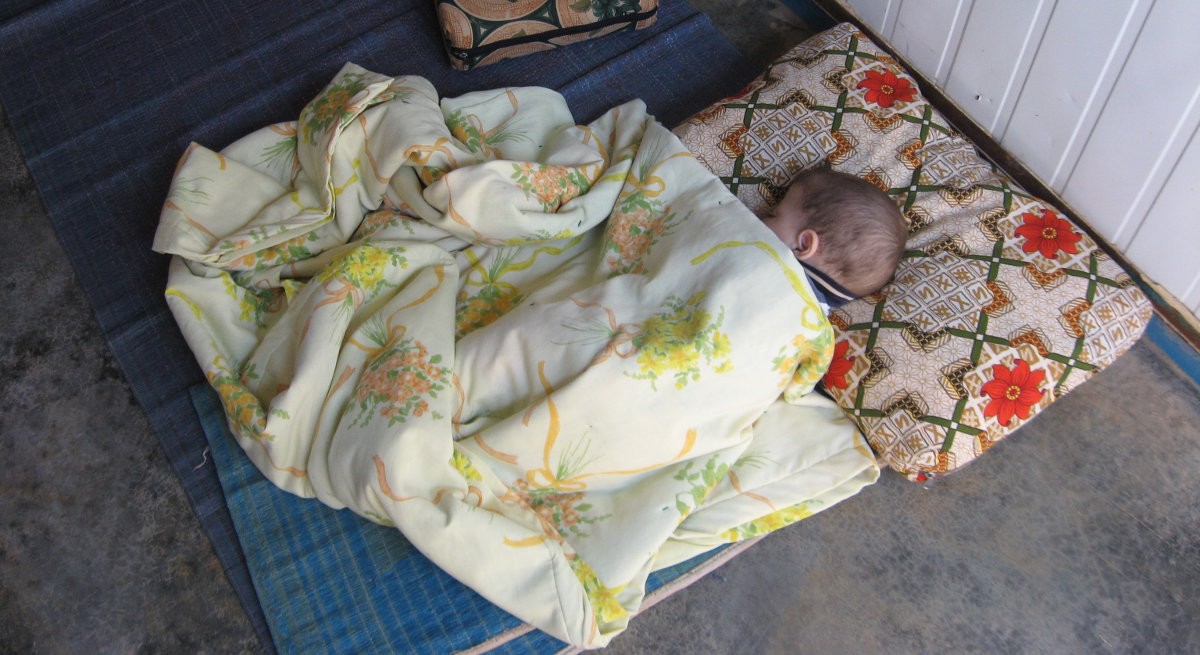
Besides for that, the room is woefully empty. There's no furniture to speak of, and the room itself is just a desolate cube. There are some thin foam mattresses on the floor, about 0.5m x 1m each. The exposed foam mattresses were hand-outs, while the fabric coverings were purchased and sewn by Abu Mi'taz's wife. Not to mention, there aren't any personal belongings whatsoever.
In time, I found out that nearly the entire house is his own making. I looked around when we go back to the center, and it's 3 caravans surrounding an open space. The roof of the central area was fabricated from the metal making up the sides of the caravan. We go back into the second room, and the shelves inside were made out of the flooring of the caravan. Even the lighting in the caravans had to be outfitted by the refugees themselves. There's a single depressing window with metal bars in each caravan, some of which had been welded off for other uses.
As for other purchases: Each person in the family receives a pitiful 20 JD (~$28) voucher monthly to purchase things from the "UN Mall," which is reportedly extremely overpriced[1]. Moreover, the allowance expires monthly, so refugees find themselves using the allowance for everyday use things and then saving up traditional currency. However, Syrians are prohibited from working in Jordan, so every purchase digs into whatever savings the family has, if any.
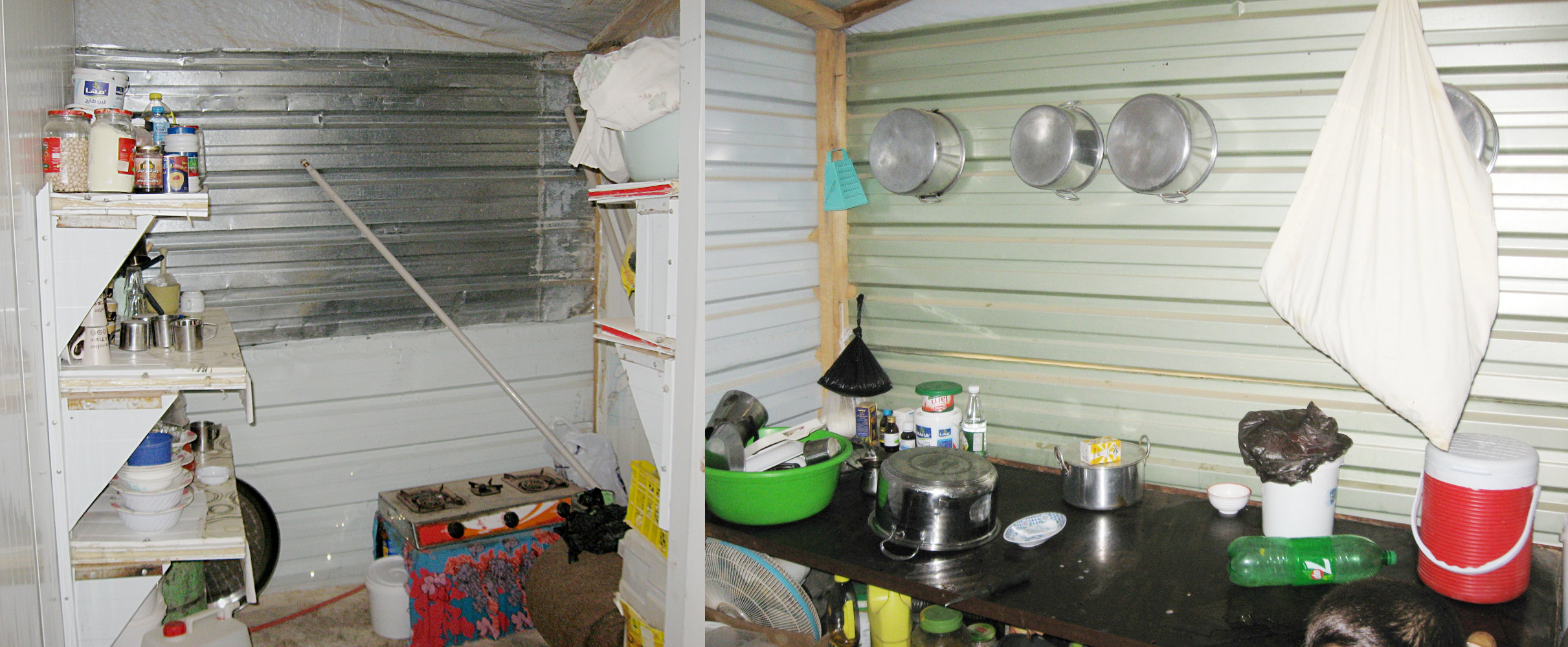
The kitchen and bathroom are just corners of the main hall; the kitchen is painfully bare. Originally, Abu Mi'taz says, the kitchens were communal just as the bathrooms were, but likewise were closed up when most families started making their own within their homes. The kitchen is really just some unfilled shelves and a small gas stove, which are used as little as possible due to the astronomic price of gas and the lack of a refrigerator to keep food from going bad. With the dirty water and scarcity of food, it's a wonder that anyone manages to survive here.
We walk out of his home into the blistering heat, and take a path along the side of the medical center. It seems that the entire camp has been built and planned rather haphazardly, because this path couldn't have been more than a meter wide and winded and turned among the houses. Reminds me a tiny bit of the small alleys of Old Aleppo, minus all the architecture and roads.
We pass by a daycare, and Abu Mi'taz discussed how the camp authorities have been providing daycare services within the camp, which is really good. They hold ordinary preschool and daycare activities like sing nursery rhymes, draw, learn simple things, but I never got a chance to go inside. That made me wonder about schooling here - what was it like, particularly for someone closer to my age who's going into college. It's a scary thought that had I been in Syria, college would no longer be a possibility for me.
We finally get to our destination, the main camp mosque. There's a large mosque built in the west of the camp. It's a large mosque for sure, but not nearly enough to accommodate anywhere near the population of the camp. There are some teenagers over at the podium, and a few men around the room are praying or reading Quran.
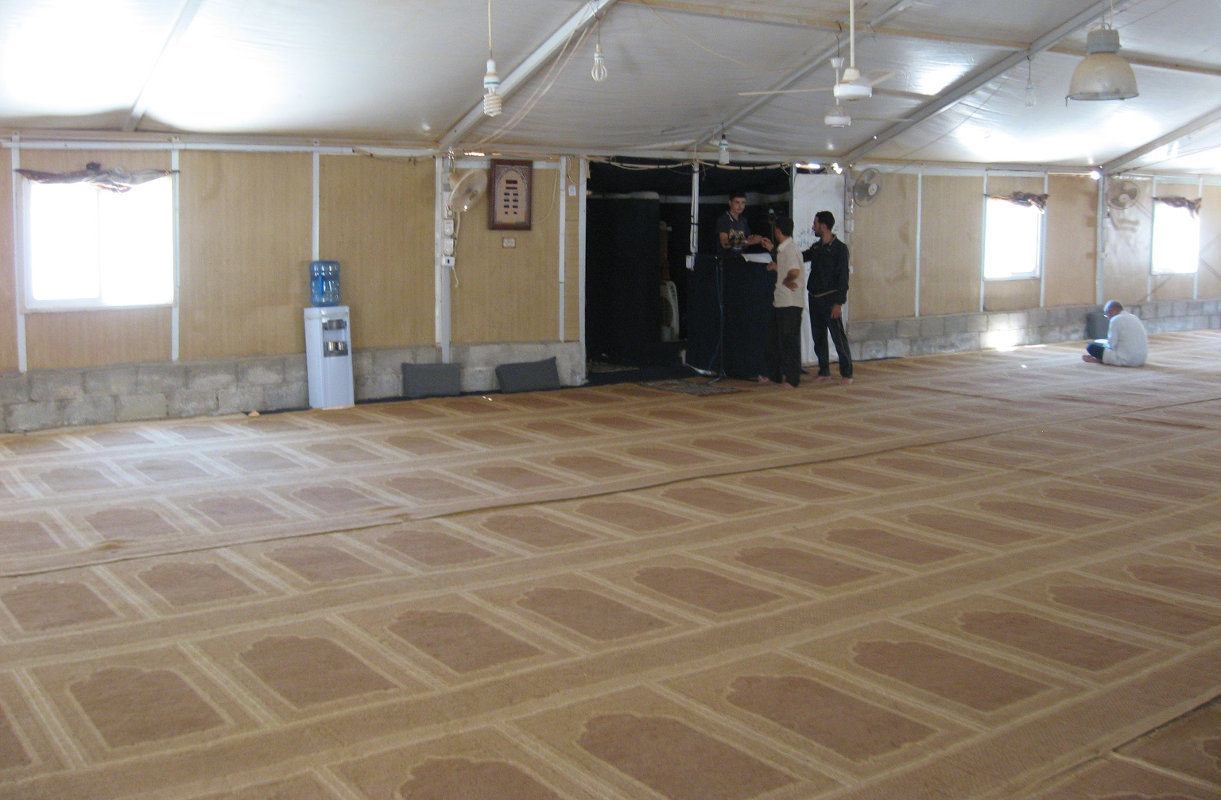
The mosque was fabricated out of Kuwaiti caravans by the refugees themselves. The Imams are local, meaning from the camp, and come an additional 2 hours during the day to give lessons. But it struck me that there is no space for women to pray in, nor is there a place to make wudu, the wash before prayer. Moreover, are no libraries whatsoever in the camp, not even in the schools or mosque.
Note: I was asked by the refugees to ask the international community for a generator for the mosque. If you were waiting for a wake-up call, this is it.
On the way back, I noticed a blue locked-up building a little bit further - that was one of the communal kitchens, roughly one per neighborhood; now, they're no longer used, but their footprint remains. What's left now is a decrepit structure with human waste all around.
As we got back to the medical center, I started talking with Abu Mi'taz about the history of the camp, and his own history. He told me how when he first came, everybody lived in miserable tents the first 4-5 months. Now, everyone is in caravans, about just as miserable. Though the tents are gone, the fabric from the tents is still being used to make roofs and siding for the caravans, as Abu Mi'taz has done. He still holds his dignity up high, and boasts that he's been on CNN and worked at the American Embassy at one point. Now that he's here though, he's uncertain about his future and even more wary about what the future holds for his children and grandchildren.
Reflection
Nothing can compare to actually walking around in the Zaatari camp. No amount of reading, Youtube videos, or UN reports will prepare you for the sights in the Zaatari camp. There's far more than I can ever hope to describe: there's absolutely nothing that can compare to visiting the camp and seeing for yourself.
There's hope, but unfortunately as the days pass, even that is dwindling.
Also known as the WFP Distribution Center ↩︎